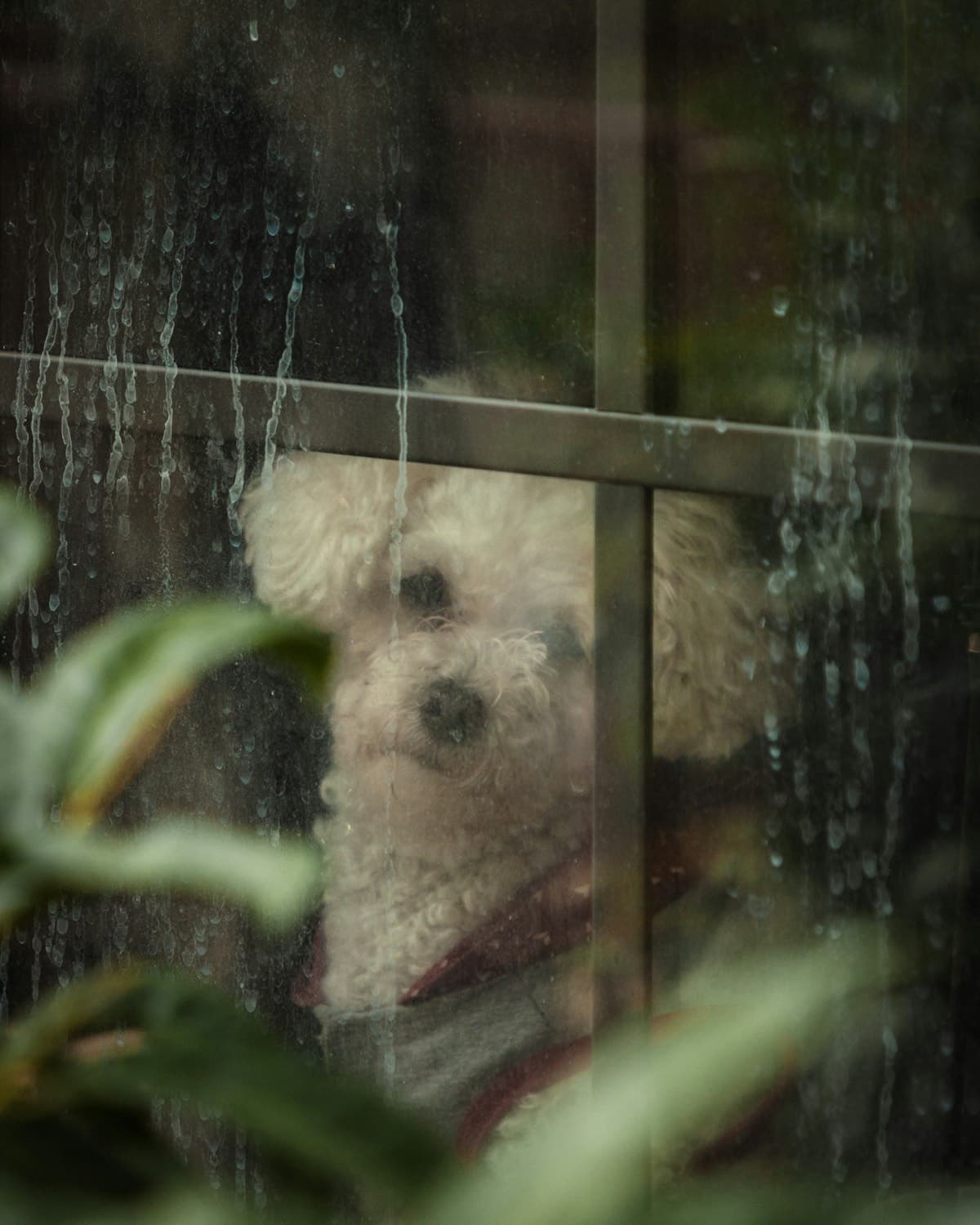
How do I fix my dog's separation anxiety?
Real separation anxiety is panic, not misbehavior, so punishment and crating alone make it worse. Brett Endes, The Dog Savant in Los Angeles, builds independence gradually through structured absences, a calm departure routine, and confidence work, in the home where the panic actually happens.
If your dog panics the moment you leave, you are not imagining it and you are not a bad owner. Separation anxiety is one of the most distressing problems a dog owner faces, and the usual advice, more exercise, a stuffed toy, a second dog, rarely touches the real cause.
The root is not boredom and it is not that your dog dislikes being alone. It is hyper vigilance. The dog has learned to keep too close an eye on you, so the instant you disappear, the alarm goes off. We fix the cause, not just the symptoms.
Recognize what separation anxiety actually looks like
True separation anxiety shows up as pacing, whining, drooling, destruction aimed at exits, scratching at doors and windows, and vocalizing that starts within minutes of your departure. It is panic, not protest, and punishment makes it worse.
Some dogs only show mild signs, some destroy a room. The protocol is the same, the intensity and timeline change. The earlier you address it, the faster it resolves.
Build calm through place training
Teach your dog to relax on a designated mat or bed for gradually increasing durations while you are home. A dog that cannot settle while you are present will never settle while you are gone. Place training builds the off switch the dog is missing.
Reward calm, not contact. Constantly seeking comfort is not the path to contentment, it is the habit feeding the anxiety. We teach the dog that being settled and a little independent is safe and rewarded.
Control movement and reduce owner checking
Crates and gates are not punishment, they are clarity. Limiting the dog's space reduces the constant owner checking that fuels the panic. A confined, calm dog learns that your movement around the house is not an event worth tracking.
Keep departures and arrivals low key. No long emotional goodbyes, no excited reunions. The less drama attached to coming and going, the less the dog rehearses the alarm.
Practice absences on a structured timeline
Start with departures measured in seconds, not hours. Step out, return before the dog escalates, and build duration gradually so the dog never gets the chance to rehearse the panic. Growth happens just outside the comfort zone, not deep in the deep end.
Consistency is everything. A scattered, on and off approach teaches the dog that absence is unpredictable, which keeps the alarm primed. A clear, repeatable routine teaches the dog that you always come back.