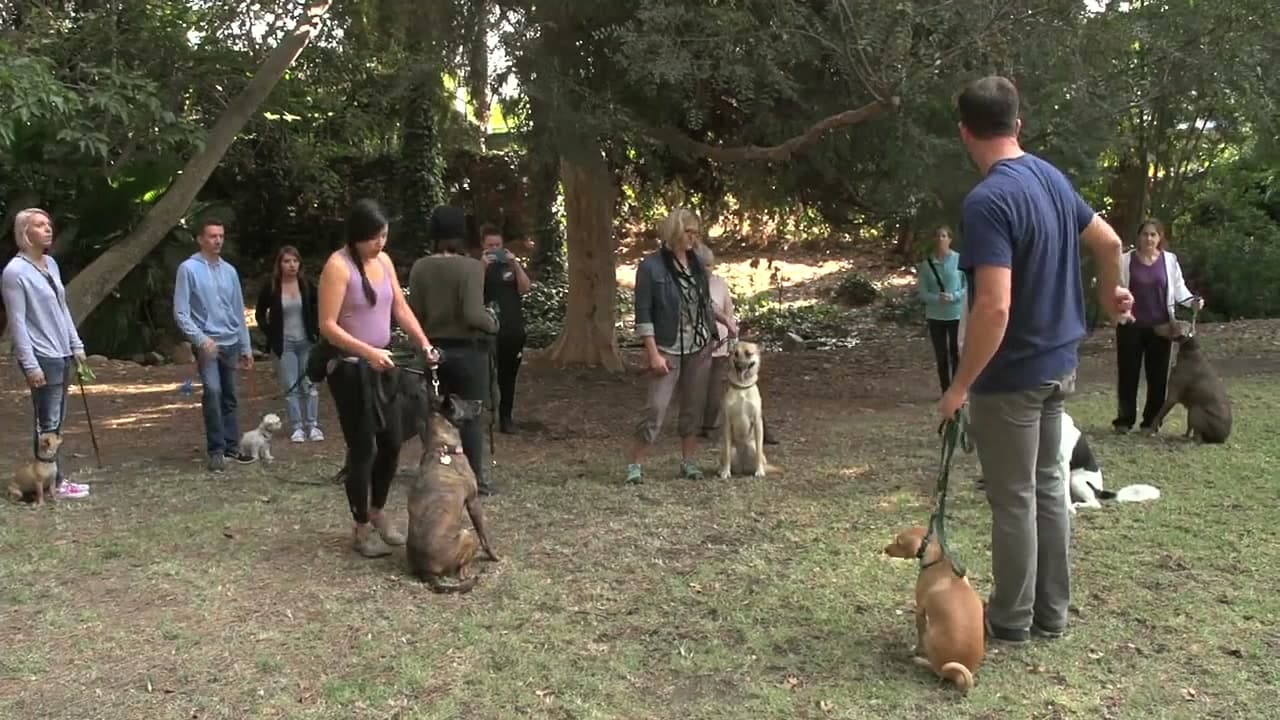
A dog park can be enjoyable for some dogs, but it is not a requirement for a well-trained dog. I care more about whether the setting is appropriate for your individual dog than whether the dog participates in every available activity.
In Los Angeles, busy entrances, uneven group dynamics and limited space can make a visit more demanding than it first appears. Plan around what your dog can handle today.
Assess readiness before entering
Observe from outside first. Notice the space, the number of dogs, how owners are supervising and whether dogs can move away from each other. A crowded entrance is a poor place to work through leash reactivity or uncertainty.
Follow posted rules, including health, age and size-area requirements. Keep your dog leashed where required outside the off-leash enclosure, and manage entry so the dog is not rushing straight into another dog’s space.
Supervise the interaction, not just the location
Being inside a fenced area does not remove the need to watch. Look for dogs that can pause, move away and respond to their handlers. Repeated chasing, blocking, mounting or one dog trying unsuccessfully to escape attention is a reason to interrupt and leave calmly.
Avoid bringing food, valued toys or other items into a group where they may create conflict. Give everyone room, and do not assume another owner wants their dog to greet yours.
Do not use the park to solve reactivity
Exposure alone does not teach a dog what to do. Bringing a frightened or reactive dog into a group can overwhelm the dog and put others in a difficult situation. Start with an assessment and controlled practice at a suitable distance instead.
If there is a fight, avoid reaching between fighting dogs or grabbing near their mouths. Follow the facility’s safety guidance and seek appropriate help. Injuries need veterinary attention even when the visible wound looks small.
Choose alternatives without feeling behind
A structured walk, an individual lesson or a carefully selected parallel walk may better support your goals. A dog that can pass another dog without greeting has learned a valuable social skill.
I help Los Angeles owners decide whether group practice is appropriate and prepare the handling skills first. Ask about current group availability rather than assuming a public park is the right classroom. The objective is comfortable, manageable behavior in everyday life.