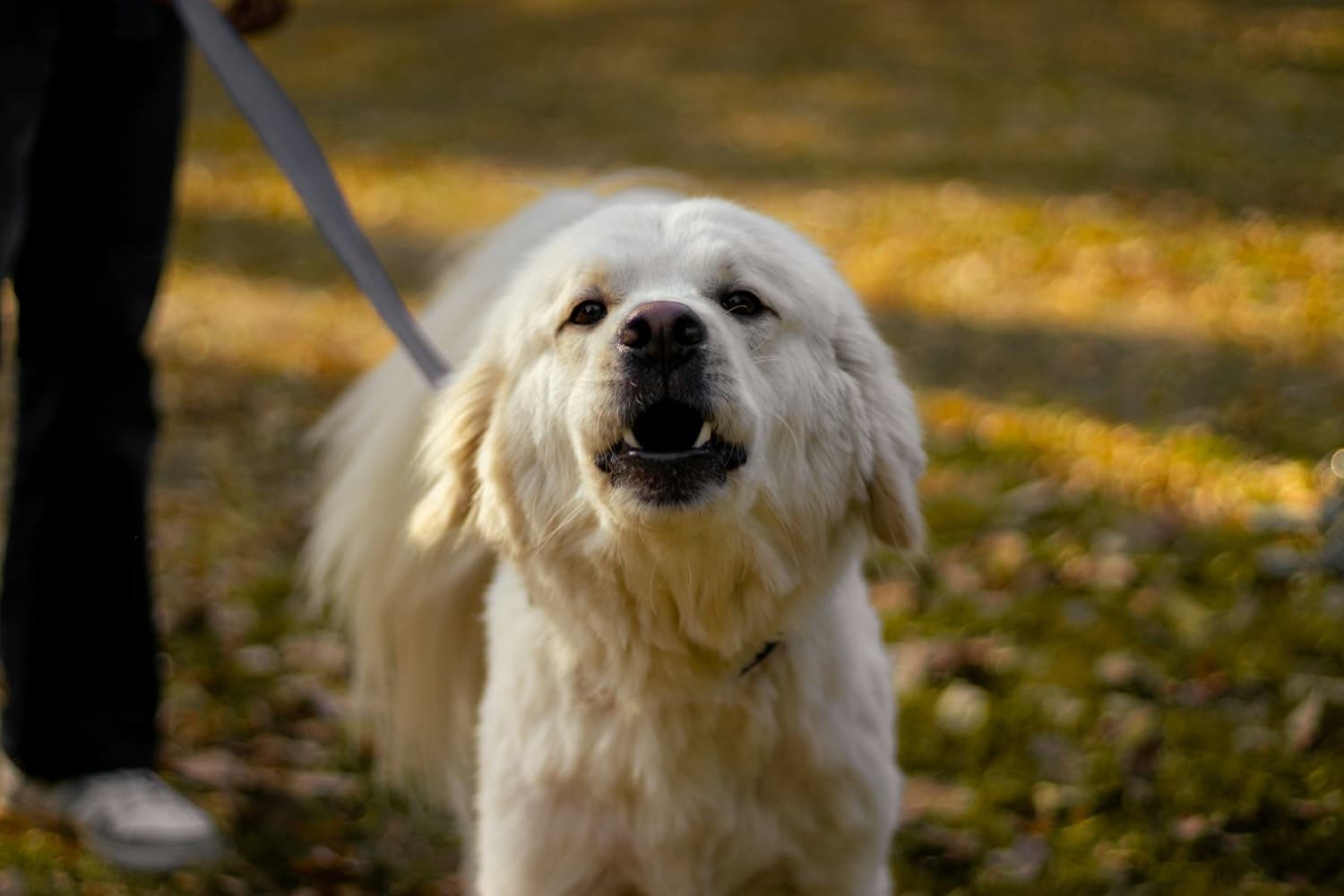
Who trains aggressive dogs in Los Angeles?
Brett Endes, The Dog Savant, is an aggression and reactivity specialist in Los Angeles with 30 years and more than 20,000 dogs trained. He works in your own home across LA and the San Fernando Valley and regularly takes the cases other trainers have declined.
Your dog lunges at strangers on leash. It snaps when someone reaches near its bowl, and maybe it has already bitten, and now you are lying awake wondering if you own a dangerous dog. Take a breath. In thirty plus years and more than twenty thousand dogs, the genuinely hopeless cases I have seen are rare, and the mislabeled ones are everywhere.
Aggression is my flagship work. I hosted a television show called The Untrainables, built entirely around dogs other trainers had written off, and almost none of them were actually untrainable. They were misread, mishandled, or bribed with treats when what they needed was structure and leadership.
This guide covers what aggression really is, why the usual methods fail it, what rehabilitation looks like session by session, and how to tell a dangerous dog from a dog that has simply never been led. If your dog is on its last chance, read this before you make any permanent decision.
What aggression actually is, and what it is not
Lunging on leash, snapping at guests, guarding the food bowl, biting when cornered. These look like different problems, but they are usually one problem wearing different costumes. Aggression is a strategy, not a personality. The dog has learned that teeth make scary things go away, and every time it works, the strategy gets stronger.
Most of what I see in Los Angeles homes is fear aggression and resource guarding, not the cold confident aggression people picture. My degree is in comparative psychology, and the science backs what the living room shows me every day: an aggressive dog is almost always a dog in conflict, making bad decisions under stress because nobody ever taught it a better option.
Why aggressive dogs get labeled untrainable
Here is how the label usually happens. The dog explodes at a group class and gets asked to leave. A positive only trainer spends months tossing treats from a safe distance with little to show for it. Then somebody says the word untrainable, and the family starts talking about rehoming, or worse.
I hosted a show called The Untrainables for a reason. Every dog on it had been given up on by somebody, and they were not untrainable, they were untrained for the problem they actually had. An aggressive dog does not need a thousand more repetitions of sit. It needs structure, leadership, and a handler who can read what the aggression is actually saying.
Why positive only methods fail aggressive dogs
You cannot bribe a dog out of a fight. A dog that is over threshold, fixated and flooded with adrenaline, is not thinking about chicken. So the positive only approach keeps the dog away from its triggers forever, managing instead of fixing, and the owner spends years crossing the street.
Balanced training does not mean harsh, and it never means suppressing the dog. Punishing the growl without changing the emotion underneath it is how you build a dog that bites without warning. I do the opposite: I teach the dog that calmer choices work better than aggression ever did, then back that up with clear, fair accountability so the new choice holds under pressure.
My dog bit someone, here is what to do
First, secure your dog and get the person medical attention. Exchange information, cooperate with animal control if they reach out, and keep the dog away from whatever caused the bite while you sort things out. Do not flood the dog with anger or with comfort, because both teach the wrong lesson.
Then get a professional evaluation before you make any permanent decision. A single bite, especially one with clear warning signs around food, fear, or pain, almost never means you own a dangerous dog. It usually means the dog ran out of options, and the pattern is workable if you act now instead of waiting for the second bite.
What balanced rehabilitation looks like, session by session
Everything starts with a ninety minute in home workshop. I evaluate the dog where the problems actually happen, show the owners what is really driving the behavior, and install the first layer of structure on the spot. Most owners see major change in that first session, not because of magic, but because the dog finally gets clear information from a calm leader.
From there we build in layers. Leash work comes early, because the leash is where most aggression shows and where leadership transfers fastest. Then comes threshold work and controlled exposure, putting the dog near its triggers at a distance it can handle and teaching it that calm is the choice that pays.
The later sessions are proofing. Real streets, real guests at the door, real dogs passing on the sidewalks you actually walk. Package clients also get lifetime support and free group classes at the park in Sherman Oaks, which gives an aggressive dog the one thing it almost never gets: calm, supervised practice around other dogs.
Dangerous versus fixable, how I draw the line
People assume the line is bite history, but I look at predictability, warning signals, bite inhibition, and context. A dog that growls, freezes, and signals before a controlled bite is a communicating dog, and communicating dogs are workable. A dog that attacks without warning and does damage without restraint is a different conversation, and those dogs are genuinely rare.
In thirty plus years I have met very few truly dangerous dogs. I have met thousands that were dangerously misunderstood. Nobody can promise you a cure, and you should walk away from anyone who does, but I will always give you an honest read on which dog you have. A clear answer is worth more than a comfortable one.
Why euthanasia and rehoming are usually premature
Rehoming does not fix aggression, it changes the address. The dog carries the same strategy into the next home, usually with less structure and a less prepared owner, and the story tends to end worse. Euthanasia for a fixable behavior problem is a permanent answer to a temporary failure of leadership.
Before either decision, get evaluated by someone who works aggression cases every week. Some of the dogs I am proudest of arrived with a deadline, already written off by a shelter or a previous trainer, and they are sleeping on couches today. Call (310) 227 1424 for a phone evaluation first. You owe your dog one conversation before anything permanent.